


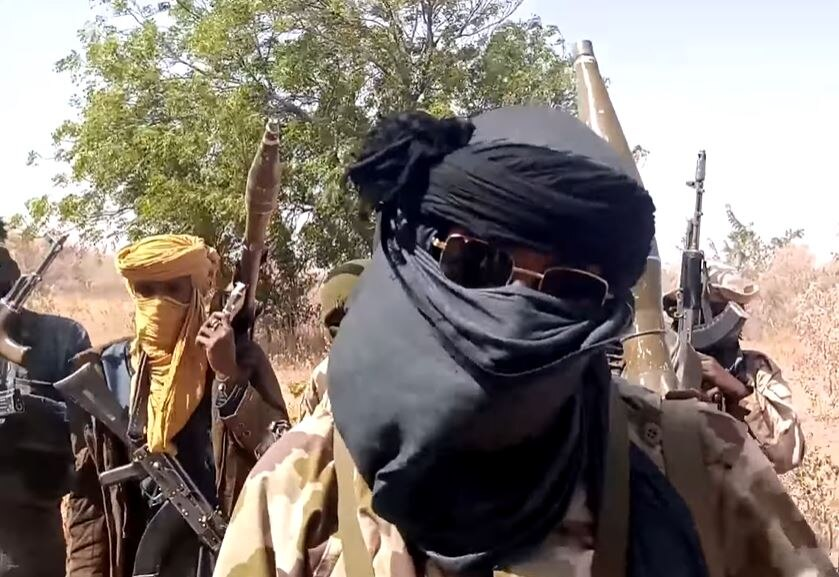
The Alliance of Sahel States (AES), comprising Niger, Mali, and Burkina Faso, is poised to reveal the identities of senior Nigerian politicians accused of fueling the banditry crisis plaguing Nigeria’s North-West region. This bold move follows years of escalating violence, with bandit groups orchestrating mass kidnappings, deadly village raids, cattle rustling, and attacks on security personnel in states like Kaduna, Zamfara, Katsina, Sokoto, Kebbi, and Niger.
Counter-terrorism expert Zagazola Makama describes the development as a reflection of growing regional cooperation against insecurity, saying “The move reflects growing concerns over the link between political influence, illegal arms trafficking, and the rise of violent attacks in the region.” Allegations suggest these politicians provided financial support disguised as “peace deals,” diverted development funds to purchase arms, and facilitated safe havens and logistics for bandit groups operating across Nigeria’s porous border with Niger.
Intelligence officers from the AES nations reportedly intercepted communications and tracked money and arms flows, with some suppliers operating from Nigerien territory. Arrests have been made of intermediaries linked to Nigerian bandits, heightening stakes for potential cross-border repercussions. For nearly a decade, Nigeria’s North-West has suffered devastating insecurity, worsening food shortages and displacement. Critics argue government peace accords often empowered bandits instead of resolving crises.
Publishing implicated politicians’ names could spark political turmoil in Nigeria, ignite public outrage, and strain Abuja’s diplomatic ties with AES states. Nigeria’s government hasn’t responded officially, but security analysts predict Abuja will face pressure to launch investigations once the list surfaces. With Nigeria’s 2027 elections approaching, opposition parties might seize on allegations to challenge ruling elites.
The disclosures underscore transnational dimensions of arms trafficking and banditry, linked to extremist groups, exacerbating West Africa’s humanitarian crises. For millions of Nigerians enduring kidnappings, killings, and displacement, there’s hope exposing sponsors might dismantle networks enabling banditry’s deadly grip. “For the millions of Nigerians facing kidnappings, killings, and displacement, there is hope that uncovering the sponsors will ultimately dismantle the networks enabling banditry to thrive,” observers note.
Recent attacks underscore the violence’s toll: bandits killed 12 vigilante members, including the Baale of Ogbayo, in a Kwara State assault, prompting police and security responses. As Sahel nations prepare their revelations, questions swirl over Nigeria’s capacity to confront alleged political patrons of banditry amid complex regional security dynamics.