

ABUJA, NIGERIA – The Conference of Nigeria Political Parties (CNPP) and over 75 civil society organizations, operating under the Coalition of National Civil Society Organisations (CNCSOs), have voiced serious concerns regarding the Nigerian legislature’s capacity to ensure accountability in corruption investigations. They warn that decades of parliamentary probes have rarely resulted in prosecutions or convictions for culpable public officials.
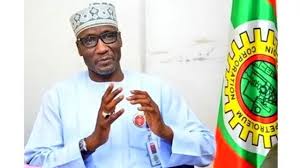
This assertion was made in a joint press statement signed by CNPP’s Deputy National Publicity Secretary, James Ezema, and the National Secretary of the CNCSOs, Ali Abacha. Their statement comes in response to the ongoing Senate investigation into alleged ₦210 trillion accounting discrepancies within the Nigerian National Petroleum Company Limited (NNPCL) during the tenure of its former Group Chief Executive Officer, Mele Kyari.
The groups expressed deep skepticism about the potential outcome of the Senate probe, arguing that similar investigations by the National Assembly since Nigeria’s return to democratic rule in 1999 have largely concluded without meaningful consequences. They noted a familiar pattern where legislative investigations into corruption, particularly in the petroleum sector, garner significant public attention but seldom lead to criminal prosecution or conviction. “For more than two decades, Nigerians have witnessed countless legislative probes that ended without prosecution, conviction, or imprisonment of those responsible for corruption uncovered during the hearings,” the statement highlighted.
The organizations welcomed the Senate’s decision to summon former NNPCL officials but cautioned that the probe must not follow the “familiar trajectory of inconclusive investigations.” They recalled repeatedly raising alarms over the financial management of the national oil company under Mele Kyari, citing opaque accounting practices and questionable financial disclosures related to subsidy payments, crude oil transactions, and operational expenditures.
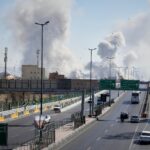
Long-standing concerns were also revisited regarding the controversial rehabilitation of Nigeria’s state-owned refineries, especially the Port Harcourt Refinery, which reportedly consumed billions of dollars without delivering sustainable refining capacity. The groups claimed that official announcements of successful rehabilitation proved misleading when the facilities failed to operate as expected. They lamented that despite alleged financial irregularities amounting to trillions of naira, no public official has been successfully prosecuted or jailed in connection with these projects.
Furthermore, the organizations expressed alarm over what they perceive as a disparity in the enforcement of anti-corruption laws. They accused major anti-graft agencies, the Economic and Financial Crimes Commission (EFCC) and the Independent Corrupt Practices and Other Related Offences Commission (ICPC), of showing greater urgency in cases involving political opponents compared to investigations of high-ranking public officials implicated in large-scale economic sabotage.
They cited the brief detention of some members of the immediate past NNPCL management, including Mele Kyari, by the EFCC following their removal from office, noting that the public has not been informed of any major findings since then. This was contrasted with what they described as the aggressive prosecution of some political figures outside the ruling All Progressives Congress (APC), many of whom have faced prolonged detention or repeated arrests despite being granted bail by courts. The groups warned that such disparity fosters a perception of selective and politically motivated anti-corruption enforcement.
In light of these concerns, the CNPP and its civil society allies called for decisive presidential intervention. They urged President Bola Ahmed Tinubu to issue an executive order establishing an independent judicial commission of inquiry into the NNPCL’s financial dealings, covering the period from 2015 to date. They also demanded a comprehensive forensic audit of the company’s finances, contracts, crude oil transactions, and subsidy claims within the same timeframe, alongside an investigation into all funds allocated for refinery rehabilitation.
The groups insisted that the activities and decisions of the NNPCL management under Mele Kyari must be thoroughly examined. They further called for the public presentation of the findings from the forensic audit and judicial inquiry, followed by the immediate prosecution of any culpable officials. The statement concluded that Nigeria cannot afford a situation where allegations involving trillions of naira generate public outrage but ultimately yield no consequences, stressing that only a transparent, impartial, and credible investigation can restore public confidence in the management of Nigeria’s petroleum resources. They warned that legislative hearings alone would remain insufficient until such an independent judicial inquiry and comprehensive forensic audit are conducted.