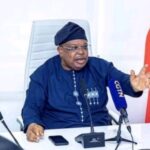



The Federal Government of Nigeria has reaffirmed its commitment to industrial transformation, export competitiveness, quality assurance, and strong public-private collaboration with the inauguration of key governing boards under the Federal Ministry of Industry, Trade and Investment and a high-level engagement with the organised private sector in Abuja.
The series of activities commenced with the inauguration of the Governing Board of the Oil and Gas Free Zones Authority (OGFZA). Honourable Minister of Industry, Trade and Investment, Dr. Jumoke Oduwole, described oil and gas free zones as strategic instruments for industrialisation, investment attraction, and value chain development under the Renewed Hope Agenda of President Bola Ahmed Tinubu.
“Oil and gas free zones are strategic instruments for industrialisation, investment attraction, and value chain development,” Oduwole said. The Minister of State for Industry, Senator John Owan Enoh, noted that the inauguration marked a critical governance milestone in Nigeria’s industrial and export-led growth journey.
The event was followed by the inauguration of the Governing Board of the Nigeria Export Processing Zones Authority (NEPZA) and the Governing Council of the Standards Organisation of Nigeria (SON). The Minister reiterated the Federal Government’s resolve to reposition export processing zones as drivers of non-oil exports, manufacturing growth, and Nigeria’s integration into regional and global value chains.
The private sector engagement saw a delegation from the Lagos Chamber of Commerce and Industry (LCCI) led by its President, Engr. Leye Kupoluyi, commending the Ministry’s efforts to reposition Nigeria as a competitive destination for trade and investment. “We commend the Ministry’s efforts to reposition Nigeria as a competitive destination for trade and investment,” Kupoluyi said.
The engagements underscored the Federal Government’s renewed focus on institutional strengthening, effective governance, quality assurance, and sustained partnership with the private sector as central pillars of Nigeria’s industrial and economic transformation drive.