


Fresh concerns over xenophobia in South Africa have emerged amid unverified claims circulating on social media that South African women are insisting women married to Nigerian men must leave their marriages. While no official statements or credible reports have confirmed such a coordinated campaign, the narrative has added to growing anxiety among Nigerian nationals and other African immigrants following a resurgence of xenophobic violence in April 2026.
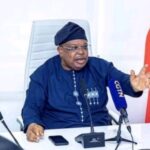
The Nigerians in Diaspora Commission (NiDCOM) on April 29, 2026 urged the South African government to prosecute perpetrators of recent xenophobic attacks. NiDCOM chair Abike Dabiri-Erewa said pupils of Nigerian descent are now scared to attend school, while business owners are afraid to open their shops for fear of targeted attacks, looting, and harassment. “We state clearly that NiDCOM rejects the profiling and generalisation of all Nigerians. Crime has no nationality,” the commission said. “Any individual, regardless of origin, who commits an offence should be investigated and made to face the full penalty of South African law. However, collective punishment and blanket labeling of an entire nationality are unacceptable and dangerous.”
The renewed tensions follow violent incidents reported in Johannesburg, Durban, Cape Town, East London, and parts of Gauteng province in April 2026. The Nigerian Consulate in Johannesburg said two citizens — Amaramiro Emmanuel and Ekpenyong Andrew — were killed in the escalating tensions. Community leaders have documented fresh incidents of violence and intimidation in the last 72 hours, according to NiDCOM.
In response, the Nigerian Consulate-General advised Nigerians to close businesses and remain indoors, particularly around South Africa’s Freedom Day on April 27. NiDCOM disclosed that protests in areas such as East London, Cape Town, Durban, and KwaZulu-Natal have turned violent, with incidents of looting, property damage, and injuries reported. It warned that foreign-owned businesses are often the main targets during such unrest.
The Nigerian Citizens Association in South Africa (NICASA) expressed alarm at what it called the “increasing normalisation of hostility, manifested through inflammatory rhetoric by certain political actors, unlawful intimidation, and discriminatory enforcement practices by some law enforcement personnel.” NICASA president Rev. Frank Onyekwelu said, “These actions not only undermine human dignity but also threaten the long-standing bonds of African solidarity.” The group demanded immediate high-level diplomatic engagement, a transparent mechanism for reporting abuse, and accountability for law enforcement officers found culpable in acts of brutality or discrimination.
Reports of targeted harassment have also surfaced. A Nigerian man and his young son were denied access to a public facility in South Africa after a group of local residents physically blocked the entrance and refused to allow them entry, despite the man presenting valid documentation including a South African visa, legal identification, and proof of residency. Those blocking the entrance reportedly insisted the facility was not intended for ‘foreigners,’ and demanded that the migrants return to their countries of origin.
NiDCOM has called for increased police presence and patrols in flashpoint communities where Nigerians reside and trade, prompt arrest and prosecution of persons involved in xenophobic attacks, arson, and extortion, and a joint Nigeria-South Africa community safety forum with police, city officials, and diaspora leaders. It also urged South African authorities to publicly condemn xenophobic rhetoric and promote messages of tolerance and non-discrimination.
The Nigerian government said it is monitoring the situation. Kimiebi Imomotimi Ebienfa, spokesperson of Nigeria’s Ministry of Foreign Affairs, said the government was waiting for updates from its missions in Pretoria and Johannesburg.
Analysts note that the attacks — characterised by targeted looting, destruction of property, and physical violence against foreign nationals — have once again exposed the fragility of social cohesion and the moral cost of persistent leadership failure. At the heart of these attacks lies economic frustration, with migrants often falsely portrayed as the cause of job losses and declining living standards.
While social media posts have amplified claims about marriages between South African women and Nigerian men, NiDCOM and Nigerian officials have not confirmed any formal movement demanding such unions end. The commission reiterated that Nigeria will continue to work diplomatically with South Africa to ensure the safety, dignity and rights of its citizens abroad.