

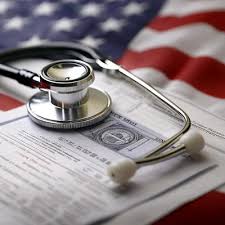
The United States government has resumed visa processing for foreign-trained doctors, reversing a policy that had frozen applications from citizens of nearly 39 countries, including Nigeria.
The restriction, introduced in January 2026 under an expanded travel ban, had halted decisions on visa extensions, work permits and green cards, leaving many international physicians unable to practise.
Without a formal announcement, the US Citizenship and Immigration Services updated its website late last week to exempt medical doctors from the processing suspension.
A Department of Homeland Security spokesperson confirmed the reversal, stating: “Applications associated with medical physicians will continue processing.”
The policy shift comes as the United States faces a critical shortage of healthcare workers. The Association of American Medical Colleges estimates a deficit of about 65,000 physicians, a gap projected to widen as the population ages and more doctors retire.
Foreign-trained doctors make up approximately 25 per cent of the US medical workforce, with more than 60 per cent working in primary care fields such as family medicine, internal medicine and paediatrics, areas often underserved by US-trained physicians.
Nigerian doctors are among those set to benefit from the resumption. A 2024 global health workforce database listed Nigerians as the sixth largest group of foreign doctors in the United States under the J-1 visa programme.
The earlier freeze had forced some doctors onto administrative leave, while others faced the risk of losing their jobs as work authorisations expired with no renewal path.
More than 20 medical organisations, including groups representing family physicians, neurologists and paediatricians, had petitioned US authorities on April 8, warning that restrictions on qualified foreign doctors could worsen healthcare delivery gaps, particularly in rural and underserved communities.
“We urge the departments to use existing authorities to prioritise and expedite immigration adjudications for this highly skilled physician population upon whom so many Americans rely,” the joint letter read.
One immigration lawyer described the exemption as a major development for both doctors and the US healthcare system.
The policy reversal restores a pathway that had been abruptly closed for thousands of international medical graduates, many of whom are due to complete their residency and fellowship programmes in the coming months.
However, observers note that the resumption could accelerate Nigeria’s brain drain, where over 20,000 doctors are already practising in the United States, with many more in the United Kingdom and Canada. Nigeria’s doctor-to-patient ratio currently stands at approximately 1:9,000, far short of the World Health Organisation’s recommended ratio of 1:600.