

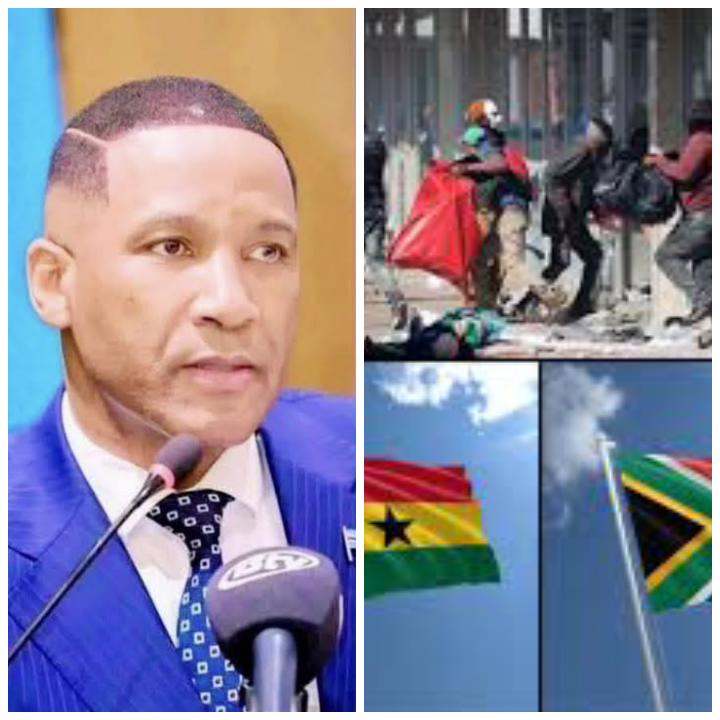
Botswana has taken unprecedented diplomatic action against South Africa, cutting electricity exports to several provinces and ordering an immediate closure of its borders amid rising tensions over alleged xenophobic attacks on Botswana nationals.
President Duma Boko announced the measures on Monday after declaring a state of emergency in a televised national address. The decision includes suspending power supply to parts of South Africa and instructing all Botswana citizens currently residing in the country to return home without delay. “We helped you fight oppression, and today our children are being humiliated,” Boko said, invoking Botswana’s historical support during the struggle against apartheid.
The electricity cutoff comes at a sensitive time for South Africa, which has been grappling with a prolonged energy crisis marked by rolling blackouts and supply shortages. Energy analysts warn that even a partial disruption in cross-border power flows could worsen load-shedding schedules and place additional strain on industries, businesses and households. South Africa’s state-owned utility Eskom has faced persistent difficulties with aging infrastructure, maintenance backlogs and financial constraints.
Botswana’s government said the move was a direct response to the treatment of its citizens in South Africa. In addition to halting power exports, authorities have sealed border crossings, effectively halting the movement of people and goods between the two countries. The directive also calls for the safe return of all Botswana nationals from South Africa as a precautionary measure.
The suspension of electricity trade carries economic implications for both sides. While Botswana is not the largest energy supplier to South Africa, the disruption could intensify supply challenges in a country already contending with capacity constraints. For Botswana, the halt affects revenue streams and long-term energy agreements with its neighbor.
President Boko expressed deep disappointment over what he described as the mistreatment of Botswana nationals. “The situation has reached a point where we must act to protect our people,” he said, underscoring the gravity of the diplomatic fallout.
South Africa’s government has yet to issue a detailed public response, but diplomatic sources indicate that urgent consultations are underway to de-escalate the situation and restore bilateral engagement. The development has sparked widespread debate across Southern Africa about regional cooperation, citizen safety and the long-term impact on cross-border relations.
The timing is particularly significant as South Africa has been seeking to import more electricity from neighboring countries to supplement its constrained grid. Botswana had previously engaged Eskom to sell off-peak surplus power, but those plans are now on hold following the latest actions.