


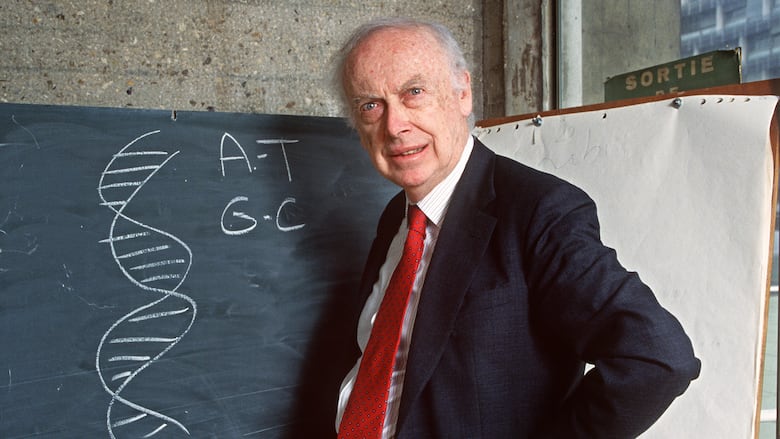
James D. Watson, the co-discoverer of the structure of DNA, has passed away at the age of 97. Watson’s groundbreaking work in genetics led to major breakthroughs in biotechnology and earned him a share of the 1962 Nobel Prize in medicine, alongside Francis Crick and Maurice Wilkins.
Watson’s discovery of DNA’s double helix structure in 1953 revolutionized the field of genetics, opening doors to genetic engineering, gene therapy, and other DNA-based medicine and technology. However, his later years were marred by controversy surrounding his comments on genetics and race, which led to his ostracism from the scientific community.
“I certainly couldn’t have had a career in science without his support, I believe,” said biologist Nancy Hopkins, who spoke highly of Watson despite his public disparagement of women.
Watson’s memoir, “The Double Helix,” published in 1968, offered a candid account of his and Crick’s discovery, though it sparked criticism from colleagues who felt it portrayed scientists as ambitious and deceitful.
Throughout his career, Watson remained a prominent figure in molecular biology, leading the Human Genome Project and transforming Cold Spring Harbor Laboratory into a world-class institution.
“My heroes were never scientists,” Watson once said. “They were Graham Greene and Christopher Isherwood – you know, good writers.”
Watson’s legacy is complex, marked by both groundbreaking scientific achievements and controversy. His contributions to genetics continue to shape modern science, while his personal views have sparked debate and criticism.