

The Department of State Services (DSS), also known as the State Security Service (SSS), remains one of the most misunderstood institutions within Nigeria’s security architecture.
For many Nigerians, the agency only comes into public focus during dramatic arrests or when politics dominates the conversation. Yet intelligence work is far deeper and far more complex than the moments that make the headlines.
At its core, the DSS is Nigeria’s primary domestic intelligence service. Its duty is not simply to arrest suspects but to prevent threats before they escalate into national crises. Terror networks, espionage activities, sabotage against government institutions, and plots capable of destabilising the country all fall within its operational radar.
Like many institutions in Nigeria, the DSS has faced its share of criticism. There have been allegations of political interference, controversial arrests and occasional heavy-handed operations. Such scrutiny is normal in a democracy where powerful institutions are expected to remain accountable.
However, the other side of the story—often overlooked—is the critical role intelligence plays in keeping the country stable.
Intelligence successes rarely trend on social media because when intelligence works, crises are prevented before they occur. And “nothing happened today” rarely qualifies as breaking news.
Over the years, the DSS has helped disrupt terror financing networks, track extremist recruiters and intercept plots that could have resulted in major national security incidents. The agency has also provided intelligence support in the fight against insurgent groups such as Boko Haram, assisting security forces in anticipating threats.
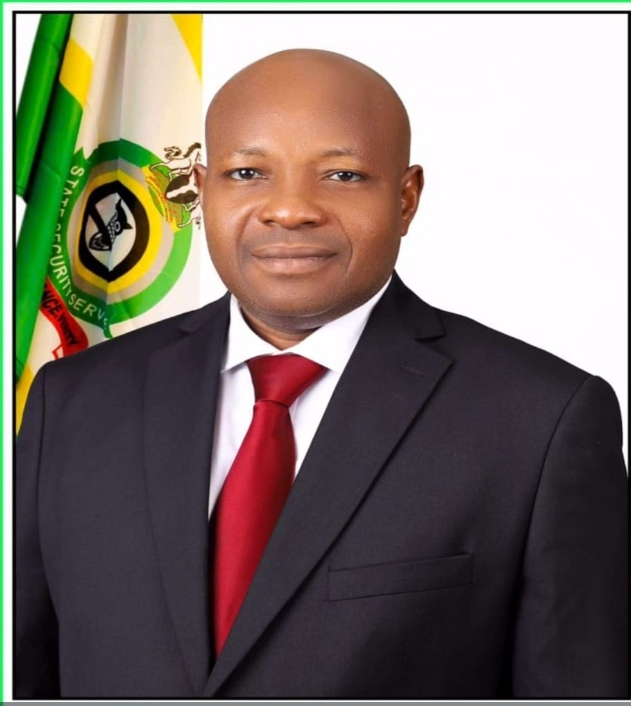
Under the leadership of the current Director-General, Adeola Oluwatosin Ajayi, observers say the agency has focused increasingly on preventive intelligence, institutional reforms and improved collaboration with other security agencies.
Ajayi’s tenure has been associated with strengthening intelligence coordination among security institutions and placing greater emphasis on professionalism and lawful operations. Security analysts say the DSS has intensified efforts against kidnapping networks, arms trafficking rings and organised criminal syndicates threatening national security.
Another area where the current leadership has drawn attention is the effort to rebuild public confidence in the agency. In recent years, the DSS has demonstrated a willingness to review controversial cases, comply with court processes and engage more openly with stakeholders, including the media.
The recent episode involving Walida Abdullahi also illustrates the delicate balance intelligence agencies must maintain between national security responsibilities and public perception.
While details surrounding the matter sparked debate in public spaces, it also underscored how intelligence operations—often conducted quietly and based on sensitive information—can quickly become subjects of political or social interpretation once they enter the public domain.
For the DSS leadership, such situations represent the difficult terrain intelligence institutions must navigate: acting decisively when national security concerns arise while ensuring that operations remain within legal and professional boundaries.
Observers argue that the measured handling of such sensitive matters reflects the broader leadership approach of Ajayi—one that prioritises caution, institutional discipline and strategic restraint rather than dramatic publicity.
Beyond operational issues, the DSS under Ajayi has also sought to improve engagement with the media and civil society, a move many believe is necessary in building transparency without compromising intelligence confidentiality.
Ultimately, intelligence work remains one of the most paradoxical professions in public service.
When intelligence agencies succeed, the public rarely notices because crises are prevented before they happen. But when something goes wrong—or even appears controversial—everyone suddenly becomes an expert.
The DSS, like every intelligence service in the world, will continue to face criticism and scrutiny. That is part of democratic accountability.
Yet beyond the noise of politics and public perception, the agency remains a critical pillar in Nigeria’s internal security structure—often working quietly while the public sees only fragments of its work.
And if the current trajectory continues, the story of the DSS under DG Oluwatosin Ajayi may ultimately be defined not by the controversies that occasionally make headlines, but by the threats that never materialise.
Olumide Bajulaiye is the Publisher, Daily Dispatch Newspaper, writes from Abuja.