


The Minister of Environment, Balarabe Abbas Lawal, has called on journalists to ignite a national revolution in battery waste management to tackle the growing threat of lead poisoning across Nigeria.
Speaking at the rollout of a nationwide battery recovery scheme in Abuja, the minister warned that commonly used batteries found in everyday devices were silently contaminating soil, water and the food chain with hazardous substances. He described the programme as a strategic response to a long-standing gap in Nigeria’s waste management system, noting that unlike car batteries, smaller units are often overlooked due to their low economic value to informal recyclers.
“Because they are small and seemingly insignificant, they are carelessly thrown away, yet they pose some of the most dangerous risks to human health, especially to children and women,” the minister said.
The initiative introduces a structured system for the collection, storage and recycling of used batteries, beginning with a pilot phase in the Federal Capital Territory where collection bins will be placed in markets, schools, offices and other public locations.
Lawal stressed that toxic components such as lead, mercury, cadmium and lithium found in batteries have been linked to severe health conditions, including neurological damage, kidney failure and cancer, warning that prolonged exposure could worsen public health outcomes. He added that the unregulated activities of battery recycling facilities and handlers have impacted negatively on both human health and the environment, with ecosystems around these facilities polluted and waste lead often dumped indiscriminately in unauthorized locations without proper permits.
He also signaled a tougher regulatory stance, revealing that enforcement agencies would intensify compliance monitoring while the government considers stronger legislation to address gaps in environmental laws. “We cannot continue to rely on policies without enforcement. There must be laws with real consequences to change behaviour,” he added, calling on lawmakers, the media and state governments to support the initiative.
The minister highlighted the importance of battery control regulations in ensuring the safe and environmentally sound management of batteries throughout their entire lifecycle, from production and usage to disposal. He said the new regulations are designed to address the environmental and health risks posed by improper battery disposal, particularly in the informal sector, which has been largely unregulated.
“Batteries, especially those used in the renewable energy, telecommunications, and automotive sectors, are vital to Nigeria’s economic development,” the minister noted. He added that the improper handling of batteries poses serious environmental and health challenges, including soil, air, and water contamination.
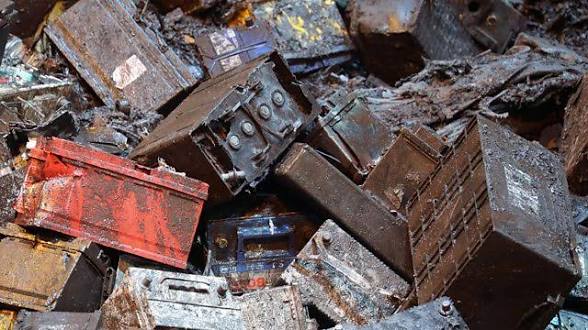
The Director-General of the National Environmental Standards and Regulations Enforcement Agency, Innocent Barikor, said the enforcement of the regulation would help address the gaps in the abatement of unsound environmental practices in the entire battery value chain, as well as prevent possible adverse health impacts on the target population especially women and children who are vulnerably involved in the mishandling of batteries especially Used Lead Acid Batteries. He said continuous misuse or mishandling of ULABs exposes users to severe health challenges by reason of the highly hazardous chemicals or materials contained such as lead, mercury, cadmium, and lithium, amongst others.
The push comes amid reports of widespread lead poisoning linked to battery recycling. Investigations in Ogijo, Ogun State, revealed that residents reported common symptoms of lead poisoning: headaches, stomachaches, seizures, learning delays and other neurological complaints. Blood tests commissioned for a joint investigation found that about 70% of volunteers had lead poisoning, and half the children had lead in their bodies at levels associated with permanent brain damage. The World Health Organisation says there is no safe level of lead exposure, and blood-lead levels above 5 µg/dL and soil concentrations over 400 mg/kg are considered hazardous.
The Senate has described the situation in Ogijo as a full-blown environmental and public-health emergency that threatened thousands of lives. Lawmakers cited scientifically verified reports of extreme lead contamination linked to a cluster of used lead-acid battery recycling factories operating in the area for years.
In response, the federal government has shut multiple battery recycling plants in Ogun State after media investigations uncovered severe lead contamination affecting workers and nearby residents. NESREA said the plants repeatedly failed to comply with the National Environmental Battery Control Regulations, 2024, which mandate safe handling of used lead-acid batteries — a hazardous waste category linked to neurological and developmental harm.
Barikor said inspectors found the “continued discharge of untreated, lead-contaminated wastewater into nearby land, widespread escape of lead dust due to poor ventilation, and hazardous slag left in open piles or illegally diverted for use in landfilling and construction”. He added that recyclers are required to “transition to cleaner recycling technologies and participate in pilot projects for slag reuse for bricks and cement raw materials”.
The minister said the government is implementing a National Lead-Free Nigeria Initiative, aimed at phasing out lead-based products by 2030. The initiative will strengthen collaboration with regulatory bodies like NESREA and the Standards Organisation of Nigeria to enforce compliance.
Lawal urged journalists to help drive public awareness, noting that public education is critical to changing behavior around battery disposal. “We will take all necessary steps to enforce best practices in the battery sector,” he said. “This includes supporting recycling facilities that adhere to regulations and holding non-compliant ones accountable”.