


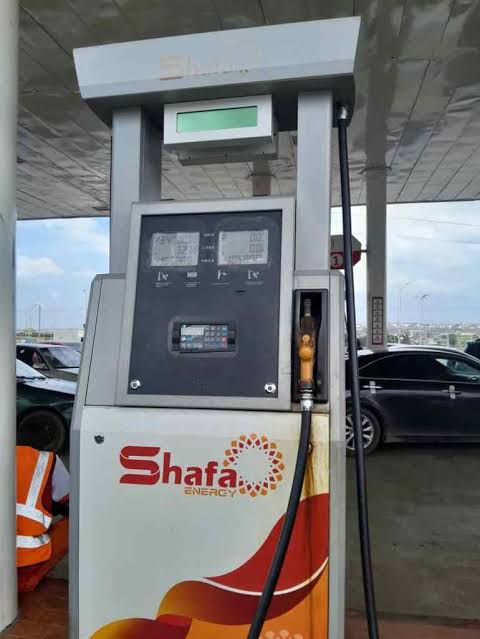
Filling stations across Nigeria have reduced petrol pump prices following fresh cuts by Dangote Refinery and the Nigerian National Petroleum Company Limited, bringing relief to motorists in Lagos, Abuja, and other major cities.
Data from the market shows that NNPC Limited retail outlets have adjusted petrol prices downward, selling at N1,255 per litre, down from N1,330, representing a reduction of N75. In Abuja, NNPC stations reduced their prices to N1,295 per litre from N1,361, which means that NNPCL retail outlets cut petrol prices by N71 per litre.
Checks on Tuesday showed that Mobil, NIPCO, AP Ardova, and Eterna filling stations in Abuja have all reduced their pump prices to between N1,280 and N1,296 per litre, down from N1,370 and N1,390. This means that the petrol retail outlets dropped their fuel prices by N90 and N94 per litre.
The reductions follow Dangote Refinery’s decision to slash its ex-gantry price of Premium Motor Spirit by N75 to N1,200 per litre, reversing a previous increase to about N1,275 per litre. The refinery said the adjustment was driven by global crude oil benchmarks and broader market dynamics. A senior official at the refinery explained that the pricing changes were driven by global crude oil benchmarks and broader market dynamics. The official said: “The adjustment of prices is in line with global market trends. External factors, including tensions in the Middle East, directly impact refined product pricing.”
In Lagos, Ardova in the Egbeda area is now selling petrol at N1,257 per litre compared to the previous rate of N1,330. Also, First Royal, Heyden, Mobil and several others are now selling below N1,300.
Market data showed that depot prices have begun to adjust to reflect the changing global outlook. Prices have dropped from about N1,275 per litre, a rate announced by Dangote Refinery in late March, to an average of N1,240 per litre. Market checks indicate that several depot operators have aligned with the new pricing structure. SIGMUND is selling petrol at N1,235 per litre, AITEO at N1,240, Matrix Warri at N1,245, and Bono at N1,240 per litre.
Energy analysts say the adjustment reflects a broader easing of volatility in the global oil market. Osas Igho, a financial analyst, noted that while uncertainty remains, the extreme fluctuations seen in the early stages of the Middle East crisis have moderated. “The volatility prevalent in the first few weeks of the conflict has reduced,” he said, adding that price movements are now more gradual compared to earlier spikes.
Industry observers believe that ongoing diplomatic efforts and calls for a ceasefire could further stabilise oil prices, potentially leading to additional relief for consumers. If the current trend persists, Nigerians may see more consistent pricing at both depots and retail filling stations in the coming weeks, easing the pressure on households and businesses already grappling with high energy costs.
In Lagos, a dramatic price drop was also recorded at MRS filling stations as petrol plummeted from N890 to N739 per litre. The price cut was a direct result of a directive from the Dangote Petroleum Refinery, which mandated the new price for all MRS retail outlets nationwide. The move sparked long queues, offering a much-needed respite for motorists in the metropolis.
Dangote Refinery has also announced a reduction in gantry prices and plans for direct distribution. According to the refinery, pump prices have been reduced to N841 per litre in Lagos and the South West, and N851 per litre in Abuja, Edo, Kwara, Rivers, and Delta States. The gantry price has been set at N820 per litre. “Dangote Petroleum Refinery begins direct supply of PMS with free delivery effective Monday, September 15, 2025. New Gantry Price is set at N820,” the statement read.
The Independent Petroleum Marketers Association of Nigeria welcomed the cut. National President Abubakar Maigandi said, “This is a relief. Our members will adjust prices as soon as we load at the new rate. Nigerians should see changes at pumps by Monday or Tuesday.”
The Major Energies Marketers Association of Nigeria also confirmed its members had received the new template and were recalibrating prices. “We commend Dangote Refinery for responsive pricing. It helps planning and reduces speculation,” said MEMAN Executive Secretary Clement Isong.
The price cuts come after weeks of volatility. Brent crude fell 9% to $90.38 per barrel and WTI crude dropped 11.4% to $83.85 per barrel following news that the Strait of Hormuz was “completely open” amid a ceasefire. Analysts project fuel prices could fall to N1,000 per litre within 2–3 weeks if the fragile ceasefire holds and marketers pass through the savings.
Despite the reductions, some stations are yet to adjust. NAN noted that some MRS stations were still selling petrol at around N880 per litre. A pump attendant cited logistical challenges, such as poor road conditions, as the reason for the higher price. Meanwhile, other major marketers, including NNPC Ltd., AP, and Mobil, continued to sell petrol at prices ranging from N880 to N890 per litre in parts of Lagos.
The NNPC has also reduced the ex-gantry price for diesel by N190, from N1,620 to N1,430 per litre. The price cuts come against the backdrop of Nigeria’s ongoing fuel market reforms. Since the removal of petroleum subsidies in mid-2023, domestic fuel prices have become more directly linked to global crude oil costs and the exchange rate.
For Nigerian consumers, the reduction offers modest relief amid persistent economic pressures. The change also signals a more responsive market where refinery operations and global price trends are quickly transmitted to retail pumps. Industry analysts note that the extent and sustainability of the price drop will depend on the continued stability of international oil markets and the naira’s exchange rate.