


FIFA has agreed to a series of drastic decisions ahead of the 2026 World Cup, including higher prize money for all 48 teams, new time-wasting rules, expanded VAR powers, and mandatory hydration breaks, according to statements issued this week.
World football’s governing body confirmed it is in discussions with national associations to increase financial contributions to qualified teams and development funding for all 211 member associations. “Ahead of a FIFA Council meeting in Vancouver, Canada, on 28 April 2026, FIFA can confirm it is in discussions with associations around the world to increase available revenues,” a FIFA spokesperson said. “This includes a proposed increase of financial contributions to all qualified teams for the FIFA World Cup 2026 and of development funding available to all 211 member associations.”
The move comes after multiple national associations raised concerns over rising costs, particularly linked to travel, logistics, and taxes in the United States. Only 18 of the 48 nations have signed a double taxation agreement with the US, which means their delegations are exempt from paying federal taxes. “Several issues have been raised by a number of the participating nations ahead of the World Cup, with several national associations flagging concerns related to the high cost of travel, logistics, and even tax, with some fearing losing money even if their respective teams progress to the latter stages of the tournament,” reports stated.
In December, FIFA announced a record World Cup prize fund of $727 million, with each nation set to receive at least $10.5 million, while the winners will get $50 million. But after further talks, that figure is now expected to rise further, with final approval set for the FIFA Council meeting in Vancouver. FIFA has projected revenues of more than $11 billion for the 2023–2026 cycle, and another report put projected revenues at $13 billion.
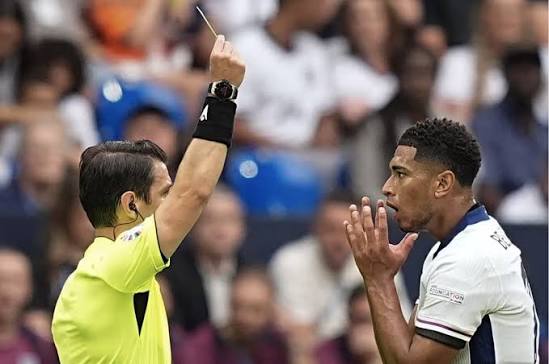
Beyond finances, FIFA has presented five major changes to the rules of the game for 2026 to make football more dynamic and combat time-wasting. Players leaving the field for substitution will only have 10 seconds to leave. If they exceed this limit, the substitute will have to wait one minute to enter, leaving the team temporarily with one less player. Players will only have five seconds to take a throw-in. In the event of a violation, the ball will be awarded to the opposing team. Players who receive treatment on the pitch will be required to go off the pitch and wait one minute before returning, unless the intervention comes after a foul that has been penalised with a card. Only the team captain can approach the referee for clarification. Other players who surround the referee risk a yellow card.
The VAR system will also have broader powers, including reviewing second yellow cards that lead to red cards, as well as wrong corner kick decisions. FIFA plans to proceed with corner reviews at the World Cup, which takes place in the USA, Mexico and Canada next summer.
In another major change, FIFA confirmed that every match at the 2026 World Cup, regardless of weather conditions, will include a three-minute hydration break midway through each half, effectively splitting each contest into four quarters. “For every game, no matter where the games are played, no matter if there’s a roof, temperature-wise, there will be a three-minute hydration break,” 2026 World Cup chief tournament officer Manolo Zubiria said. The decision follows complaints from players about the heat during the 2025 FIFA Club World Cup from June to July 2025.
The 2026 World Cup will be the first edition featuring 48 teams, up from 32, with 12 groups of four. The top two teams in each group, plus the eight best third-placed teams, will advance to a new Round of 32. The tournament will feature 104 matches, up from 64 in Qatar, and runs from June 11 to July 19 across the United States, Mexico and Canada.
FIFA also weighted the draw to ensure that the four highest ranked nations will not be able to meet until the semifinals, should they win their respective groups. Spain, Argentina, France and England make up the leading quartet.
Human rights concerns continue to shadow preparations. Human Rights Watch urged FIFA to press the U.S. government to establish an “ICE Truce” for the tournament, including a public guarantee from federal authorities to refrain from immigration enforcement operations at games and venues. Amnesty International warned of “huge risks” around the tournament, citing mass deportations and aggressive immigration enforcement in the United States.
FIFA said further details on prize money and rule changes are expected following FIFA Council discussions and approvals.