


Global oil prices have fallen to their lowest point since the Iran conflict erupted, as shipping traffic through the Strait of Hormuz shows fresh signs of recovery and diplomatic efforts between Washington and Tehran gain ground.
Brent crude briefly dipped below $72.48 per barrel before stabilising around $72.63, its weakest level since hostilities between the United States, Israel and Iran rattled global energy markets earlier in the conflict.
The decline tracks a gradual return of commercial vessels to the Strait of Hormuz, the vital corridor through which a large share of the world’s crude oil and liquefied natural gas moves. Shipping had been thrown into disarray when the conflict first broke out, sparking fears of a global supply crunch and pushing fuel costs higher worldwide.
Sentiment has since shifted, buoyed by a Memorandum of Understanding signed by the US and Iran on June 17, which opened a 60-day window for talks on Tehran’s nuclear programme and wider efforts to stabilise the region. Follow-up talks in Switzerland reportedly led Washington to ease some sanctions on Iranian oil exports, lifting investor confidence further.
Maritime intelligence shows nearly 80 vessels — including oil tankers, LNG carriers and cargo ships — have crossed the Strait since negotiations began, though traffic still lags pre-war levels of over 100 daily crossings. Shipping sources say Iran has opened limited northern channels for commercial passage, while the US Navy continues to guide vessels through safer southern routes. Hundreds of ships remain queued in the Gulf as operations slowly normalise.
The price slide has reignited hopes that fuel costs could ease for consumers, though analysts caution that retail prices typically lag behind crude movements. In the US, regular petrol has already dropped to about $3.93 a gallon, down from a wartime peak above $4.00, but still above pre-conflict rates.
President Donald Trump has ordered an investigation into major oil firms, including Shell and ExxonMobil, accusing them of failing to pass falling crude prices on to motorists at the pump. Speaking at the White House, Trump insisted drivers were not seeing fuel savings that matched the scale of the crude price drop.
The American Petroleum Institute pushed back, arguing that retail prices don’t track crude costs in lockstep, citing refining, transport, taxes and other factors that shape pump prices. Similar profiteering concerns have surfaced in the UK, though the country’s competition watchdog says it found no widespread evidence of fuel retailers exploiting the crisis.
For Nigeria and other oil-dependent economies, the price slide cuts both ways — easing import and transport costs but threatening to dent government revenue if the decline persists. Analysts say the trajectory of US-Iran talks and the pace of Hormuz’s recovery will remain the key variables shaping oil markets in the weeks ahead.
Global oil prices have fallen to their lowest point since the Iran conflict erupted, as shipping traffic through the Strait of Hormuz shows fresh signs of recovery and diplomatic efforts between Washington and Tehran gain ground.
Brent crude briefly dipped below $72.48 per barrel before stabilising around $72.63, its weakest level since hostilities between the United States, Israel and Iran rattled global energy markets earlier in the conflict.
The decline tracks a gradual return of commercial vessels to the Strait of Hormuz, the vital corridor through which a large share of the world’s crude oil and liquefied natural gas moves. Shipping had been thrown into disarray when the conflict first broke out, sparking fears of a global supply crunch and pushing fuel costs higher worldwide.
Sentiment has since shifted, buoyed by a Memorandum of Understanding signed by the US and Iran on June 17, which opened a 60-day window for talks on Tehran’s nuclear programme and wider efforts to stabilise the region. Follow-up talks in Switzerland reportedly led Washington to ease some sanctions on Iranian oil exports, lifting investor confidence further.
Maritime intelligence shows nearly 80 vessels — including oil tankers, LNG carriers and cargo ships — have crossed the Strait since negotiations began, though traffic still lags pre-war levels of over 100 daily crossings. Shipping sources say Iran has opened limited northern channels for commercial passage, while the US Navy continues to guide vessels through safer southern routes. Hundreds of ships remain queued in the Gulf as operations slowly normalise.
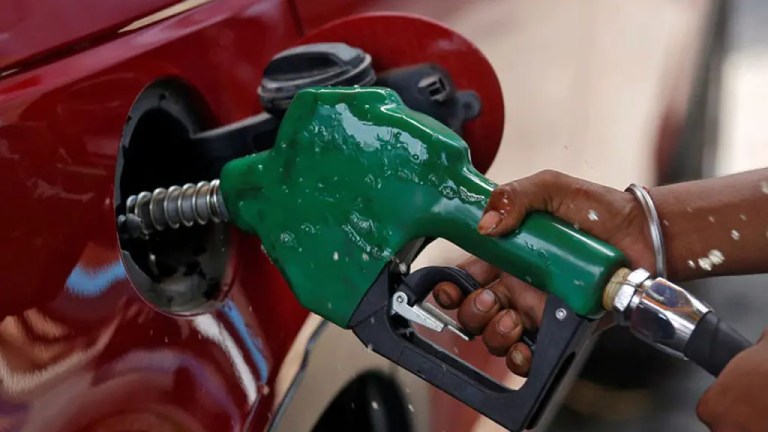
The price slide has reignited hopes that fuel costs could ease for consumers, though analysts caution that retail prices typically lag behind crude movements. In the US, regular petrol has already dropped to about $3.93 a gallon, down from a wartime peak above $4.00, but still above pre-conflict rates.
President Donald Trump has ordered an investigation into major oil firms, including Shell and ExxonMobil, accusing them of failing to pass falling crude prices on to motorists at the pump. Speaking at the White House, Trump insisted drivers were not seeing fuel savings that matched the scale of the crude price drop.
The American Petroleum Institute pushed back, arguing that retail prices don’t track crude costs in lockstep, citing refining, transport, taxes and other factors that shape pump prices. Similar profiteering concerns have surfaced in the UK, though the country’s competition watchdog says it found no widespread evidence of fuel retailers exploiting the crisis.
For Nigeria and other oil-dependent economies, the price slide cuts both ways — easing import and transport costs but threatening to dent government revenue if the decline persists. Analysts say the trajectory of US-Iran talks and the pace of Hormuz’s recovery will remain the key variables shaping oil markets in the weeks ahead.