
Nigeria has secured a seat on the United Nations Human Rights Council after winning 172 votes out of 181 cast in a secret ballot conducted by the United Nations General Assembly in New York on Tuesday, October 13, 2026.
The election hands Nigeria a three-year term on the 47-member Geneva-based council, beginning on January 1, 2027 and running through December 31, 2029.
Nigeria took one of the four seats allocated to the African regional group, alongside Zambia with 177 votes, Ghana with 173 votes and Burundi with 160 votes.
The General Assembly elected 15 countries to fill vacancies on the council. Other countries elected are Brazil, Burundi, Dominican Republic, Germany, Ghana, Ireland, Japan, Jordan, Kuwait, Nepal, Republic of Moldova, Ukraine, Uruguay and Zambia.
The Federal Government announced the development in an official statement issued in Abuja on Wednesday and signed by the spokesperson for the Ministry of Foreign Affairs, Oluwafemi Adeniyi.
The government described the election as a reflection of the international community’s confidence in Nigeria’s commitment to promoting and protecting human rights globally.
“Nigeria’s election reflects international confidence in its commitment to advancing human rights and improving human rights conditions across the world,” the statement said.
The Ministry expressed appreciation to United Nations member states for supporting Nigeria’s candidature and reaffirmed Nigeria’s commitment to dialogue, cooperation and mutual respect.
“Nigeria reaffirms its commitment to sustaining dialogue, cooperation and mutual respect with Member States, and looks forward to working closely with Council Members in advancing the mandate of the Council and strengthening international efforts towards the promotion and protection of human rights,” it added.
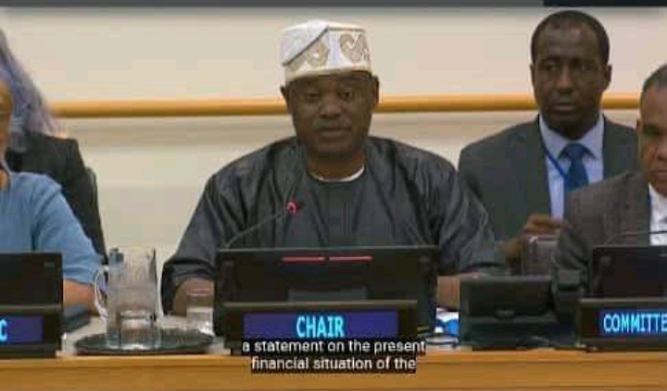
Nigeria’s Permanent Representative to the United Nations, Ambassador Jimoh Ibrahim, who also chairs the General Assembly’s Fifth Committee on Administrative and Budgetary Matters, congratulated President Bola Ahmed Tinubu on the outcome.
The UN Human Rights Council, established in 2006, is the UN’s top intergovernmental body for the promotion and protection of human rights around the world. Its membership is distributed geographically, with Africa holding 13 seats.
The uncontested nature of the election drew criticism from human rights groups. All 15 candidates ran unopposed as regional groups fielded exactly as many candidates as seats available.
“This uncompetitive vote makes a mockery of the word election. No one should have a seat on this crucial body handed to them on a silver platter,” said Louis Charbonneau, UN director at Human Rights Watch.
He called on member states to insist on competitive slates so candidates with poor human rights records can be rejected.