

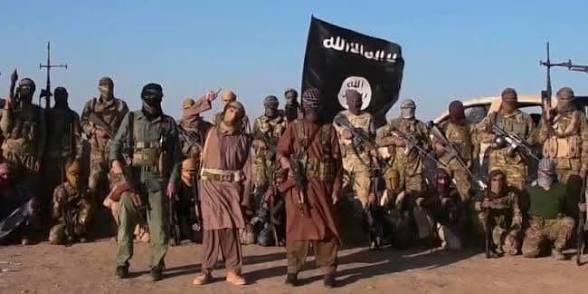
The Federal Government is under renewed scrutiny following calls by a retired senior military officer for a full investigation into the release of 48 individuals previously identified as terrorism financing suspects, including a person described by foreign intelligence agencies as a Boko Haram leader. The demand reopens public debate on Nigeria’s handling of terror finance networks and accountability for counterterrorism funds.
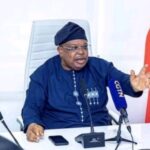
Retired Major General Danjuma Hamisu Ali-Keffi, who led the covert Operation Service Wide (OSW) set up in October 2020 by the late President Muhammadu Buhari to investigate terrorism financiers and collaborators, said the 48 suspects were arrested during the operation but later released without trial. “A significant amount of the huge funds meant for counterterrorism were shared amongst prominent military and government officials including NASS members and others,” Ali-Keffi alleged. “Putting the terrorism financing suspects on trial would have exposed the misappropriation of these counterterrorism funds and all the beneficiaries. That is why nothing has been done.”
According to Ali-Keffi, OSW comprised personnel from the military, security and intelligence agencies, as well as legal officers from the Office of the Attorney General of the Federation, and collaborated with about 33 countries, including the United States, the United Kingdom and the European Union, under the cover of the Nigerian Financial Intelligence Unit (NFIU). He said the task force gathered substantial evidence to prosecute the 48 suspects, but there was pressure to downgrade the charges to money laundering. Following his removal and compulsory retirement, OSW was effectively shut down and all suspects arrested by the operation were eventually released. “None of the 20 high-profile suspects, nor others detained for months, were charged,” he said.
The Federal Government had previously, in 2024, publicly designated 21 individuals and six Bureau de Change entities as financiers of terrorism. That list included Tukur Mamu, Yusuf Ghazali, Muhammad Sani, and six BDCs such as West And East Africa General Trading Co. Ltd, Settings Bureau De Change Ltd, and Alfa Exchange BDC. A more recent update from the Nigerian Sanctions Committee in April 2026 recommended sanctions for nine individuals and six entities for terrorism financing.
Nigeria has intensified prosecutions in other terror finance cases. The National Counter Terrorism Centre said the country has secured over 785 convictions involving terrorism financing and other terrorism-related offences. In Phase 7 of the Kainji Detention Facility Terrorism Trial, 44 out of 54 arraigned suspects were convicted, with sentences ranging from 10 to 30 years with hard labour. National Coordinator, NCTC, Major General Adamu Laka, said more than 90 of the 730+ convictions were secured with direct support from the NFIU. “Disrupting the financial lifelines of terrorist organisations is central to our national counterterrorism strategy,” Laka stated.
Nigeria remains on the Financial Action Task Force (FATF) “grey list” due to deficiencies in preventing money laundering and terrorism financing, but authorities say the country has made “impressive progress” on all 19 FATF action items.
Ali-Keffi insisted the National Assembly has not taken up the matter of the 48 released suspects due to an alleged compromise. He called for an independent probe to determine why the suspects were freed and who benefited from counterterrorism funds. The Federal Government has not issued a formal response to the retired general’s latest claims as of April 11, 2026.