

ActionAid Nigeria has called on the federal, state and local governments to increase investment in grassroots development, saying targeted interventions at the community level are critical to reducing poverty and strengthening livelihoods across the country.
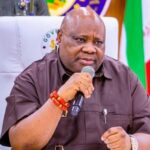
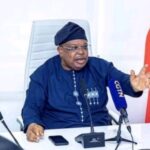
The Country Director of ActionAid Nigeria, Dr. Andrew Mamedu, made the call while reacting to the federal government’s Renewed Hope Ward Development Programme. He described the ward-based approach as a vital opportunity to drive real impact where it is most needed.
“The targeted nature of this intervention, rooted in the electoral wards, provides a vital opportunity to drive real impact where it is most needed, which is at the grassroots level,” Mamedu said. “If well-implemented and sustained, this programme can significantly impact on poverty level, strengthen livelihoods, and improve social protection systems through stronger coordination between the federal, state, and local governments.”
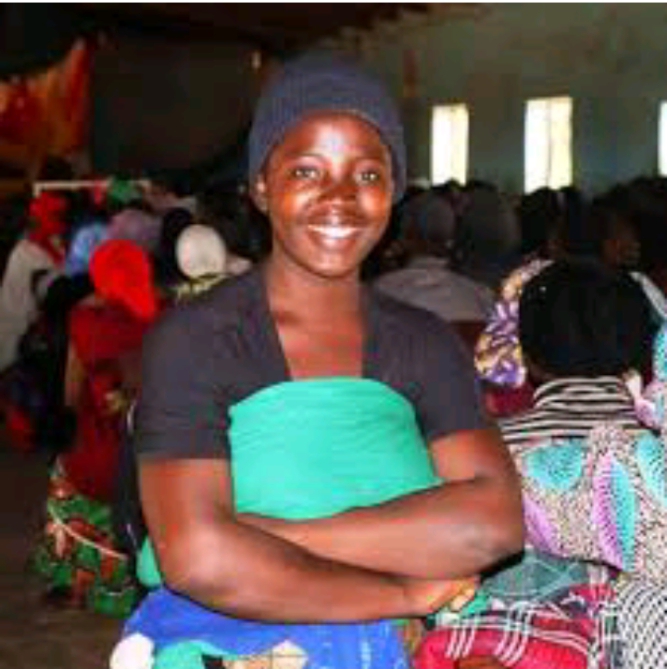
He noted that for many marginalised Nigerians, the programme “could represent a pathway toward sustainable economic recovery.”
ActionAid also stressed the need for accountability and effective delivery structures. Citing lessons from the federal government’s earlier N25,000 monthly conditional cash transfer, Mamedu said only 30 percent of the targeted 15 million vulnerable households were reached by March 2025. He attributed the shortfall to early enrolment challenges, weak state and local delivery capacity, insufficient outreach and limited community engagement.
“It raises important concerns about planning, coordination, and monitoring mechanisms,” he added.
The organisation further urged local and state governments to intensify efforts on rural infrastructure. During a visit to Tungan Ashere community in the FCT, Mamedu decried the lack of electricity, good roads and other basic amenities, saying such neglect continues to hurt rural communities.
“We have to force accountability, if politicians are not held accountable, things will continue to persist like lack of amenities,” he said.
ActionAid also linked grassroots investment to agriculture and food security. Food Systems Specialist Azubike Nwokoye said only 20 percent of smallholder farmers have access to credit, while just 18 percent have access to storage facilities and 9.6 percent enjoy reliable rural transportation. He called for investment in credit, labour-saving technologies, extension services, youth and women participation, agroecology and rural infrastructure.
At a recent forum, Mamedu said Nigeria must do things differently to translate budget growth into poverty reduction. Despite the national budget rising from N300 billion in 1999 to N54.5 trillion in 2024, poverty levels have not declined proportionately.
“This tells us that we must do things differently. At ActionAid, we believe poverty can be eradicated, but only when government and citizens take shared responsibility and ensure accountability from the federal to the local level,” he said.
He urged government to emulate countries like China and India that lifted millions out of poverty through major investments in infrastructure, education, health and social protection, and called for an end to leakages estimated at $18 billion annually to illicit financial flows.
ActionAid concluded that achieving the goal of lifting 100 million Nigerians out of poverty in 10 years will require consistency, accountability and collaboration among government, civil society and the private sector.